Trees
(Orignally published via Facebook on September 9, 2010)
“For in the true nature of things, if we rightly consider, every green tree is far more glorious than if it were made of gold and silver” – Martin Luther
I have always lived among trees. From the oak, walnut and almond orchards of my hometown, to years of camping in forests of sequoias and redwoods, to the firs and cedars of my current home in the Pacific Northwest, trees have always been part of my personal provincial landscape. I feel oddly uncomfortable in barren terrain, and climbing above treeline on mountaineering adventures is always a mystical process of leaving the known and familiar. Given this historical grounding, it seemed reasonable that I felt a bit of trepidation when we decided to remove two ailing fruit trees from our yard this summer.
In discussing the proposition with friends and neighbors, I found that while they generally agreed with my reasons for wanting to do such a thing, they were nearly all hesitant to actually endorse the action, as if they might later be found complicit in some misdeed. What drives this uneasiness when it comes to removing trees? While there is arguable nobility and moral clarity in the sacrifice of a diseased tree to save companions or the larger forest, any lesser objective seems to speak to more superficial motives. In one sense, the felling of a tree can be considered a simple act of industry: the conversion of raw materials into either fuel or the constituent elements of another structure. Rearranging the arboreal topography to improve a view or to create a more pleasing visual prospect nudges our aim more in the direction of selfishness. Removal to arrest spreading or surfacing roots that threaten driveways or encroach on buried pipelines applies at least the façade of justified utility over self-interest, as does taking out a storm-weakened tree located too close to the house for comfort. Yet somehow even the most justified and defensible actions relative to trees can still leave us with tinges of guilt and even grief.
I think the wariness comes from two main sources. I believe that to some degree we each harbor the notion that we cannot act against nature with impunity, and thus we inherently fear karmic consequences. Eastern thought applies as much import to the intent as to the action, and I think this compels some of us to move more slowly and deliberately when it comes to permanently altering the landscape. Removing a tree is not a choice that can be undone.
I also believe that we see trees as essential symbols; ancient emblems of endurance and permanence. Throughout history we have accorded them the power to house spirits and grant wishes, and have made them the center of myths and even religions. We wrap ourselves in their metaphor, and speak of “branching out” and of “putting down roots.” As a result, we have become appropriately uncertain about imposing our will on them. They are living things of natural beauty, that over time have staked a literal and binding claim to the space they occupy. Whether planted with a gardener’s conscious intent, or a grown from a serendipitous wind-blown seed, they chronicle the years with undulating rings and soundlessly churn away in their timeless photosynthetic rhythm. They are watchers and guardians; silent observers of the parade of time. They offer us myriad gifts, from scalable geometries that allow fleeting escapes from gravity, to aesthetic beauty, functional shade, and even nourishment in the form of fruit and oxygen. Even in deconstructed death they have the ability to warm our homes and cook our food. They embrace the seasons and bend to the light without complaint, and yet their reward is often to succumb to infestation or a landscaper’s whim. On some level, we potentially equate their destruction with irreverent waste and desecration, as in the tearing down of a venerable old building of historical significance.
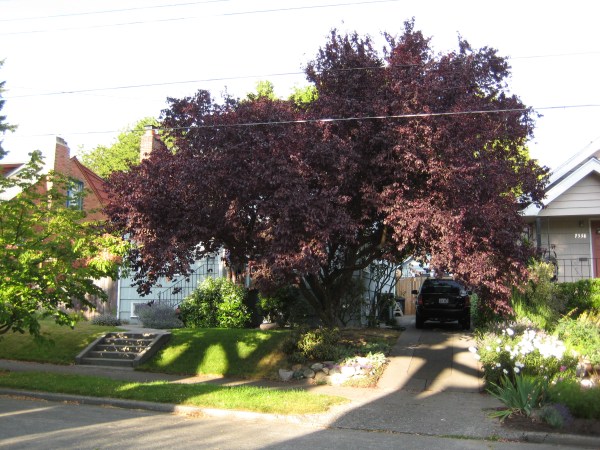
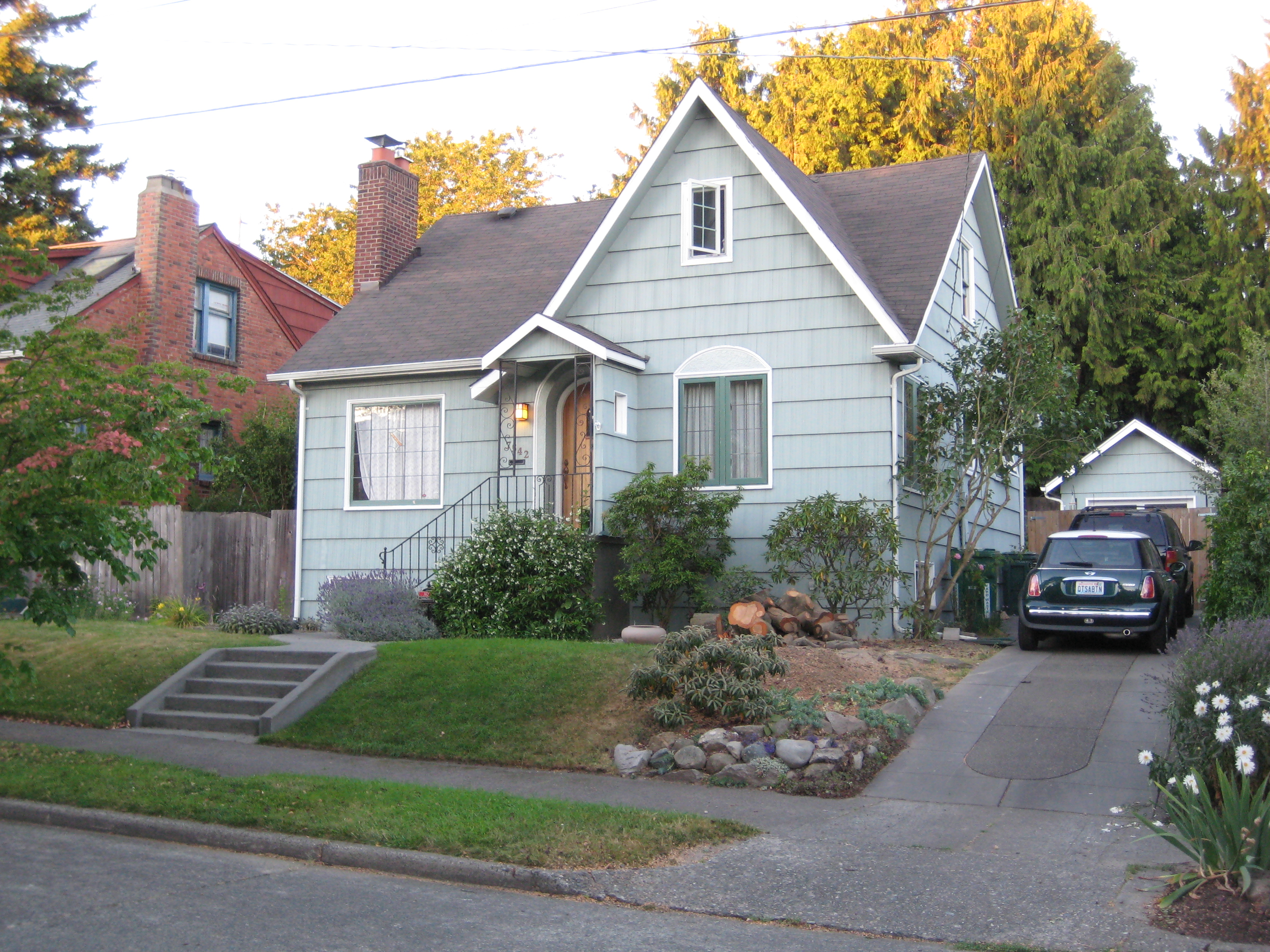
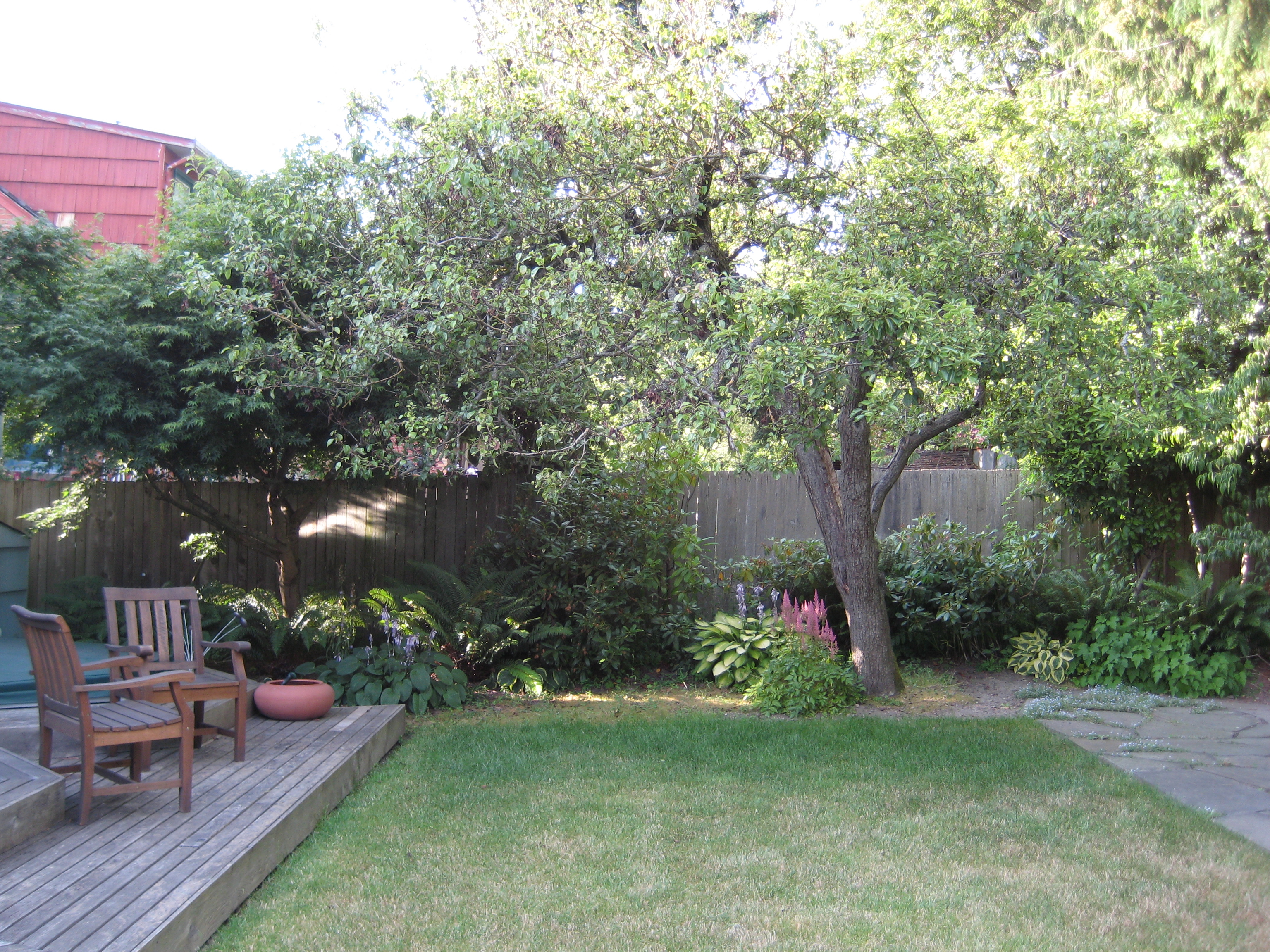
The two trees — a fruitless plum and a multi-varietal pear — are gone now, brought down with a violent and jarring swiftness. The maple, dogwood and holly in the back yard can certainly breathe easier and gather more sun in the absence of the pear, and the evening light coming in the front windows is now softly abundant and unfiltered by the plum. But in the spaces where these two natural edifices spent nearly half a century, there remains a silence born of sadness and a newly-wrought incompleteness; an almost palpable sense of what was. By any measure or reckoning, their removal is ultimately a loss.


 Somewhere Near There