Spring Cleaning
(Originally published via Facebook on April 4, 2011)
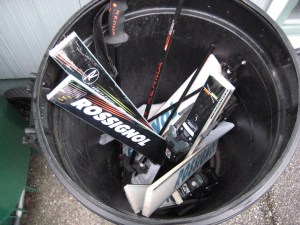
I killed my skis last night. Euthanized is perhaps a more technically accurate word, but since I chopped them up and threw them in the trash, it certainly felt more like a killing. They were nice skis: Rossi 4Cs 205s. A sweet ride in their day, but therein lies the rub: in their day. I knew they were old, and I was beginning to accept that my downhiller days might be behind me, so I had been researching places to donate or recycle them. After talking with a half a dozen local ski outfitters, it was apparent that these skis were so old that none of these shops would even work on them. Wha?But I just bought them at that big warehouse ski sale thing. In 1995. Even if I gave them to Goodwill, and somebody paid five bucks for them, the ski repair shops would still send them away. So I got out my trusty Sawzall® and hacked them into pieces that would fit in the trashcan.
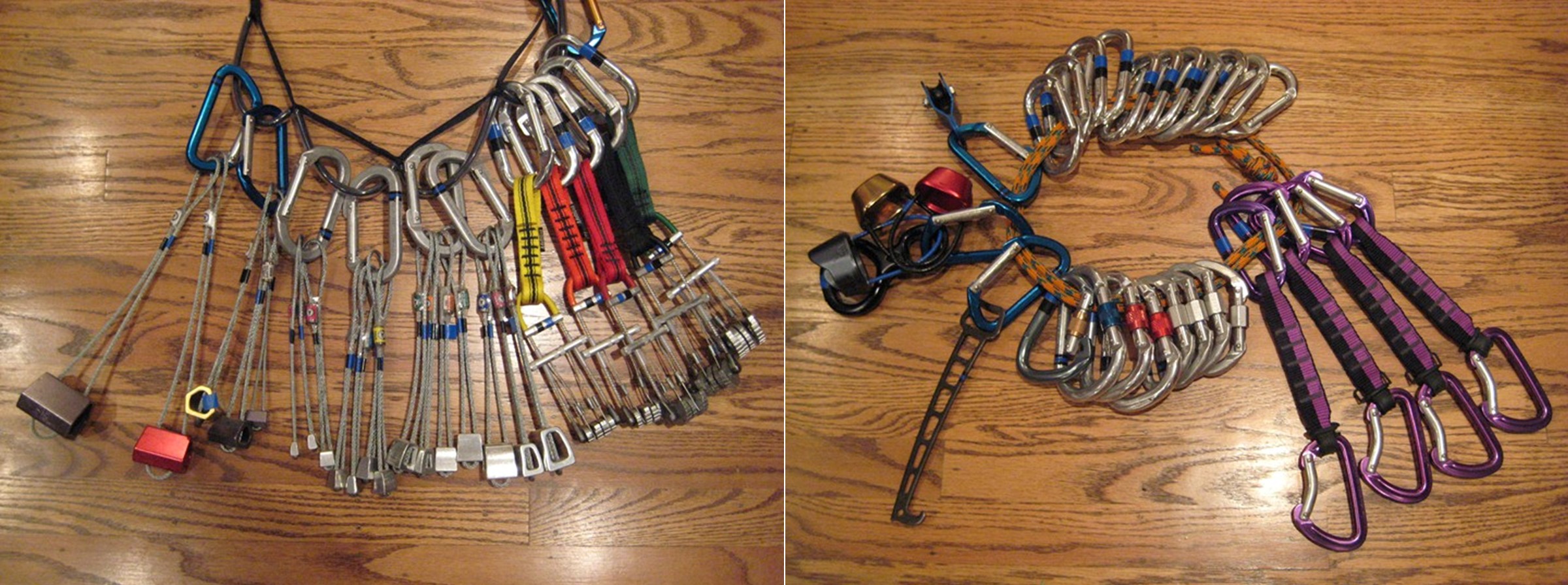
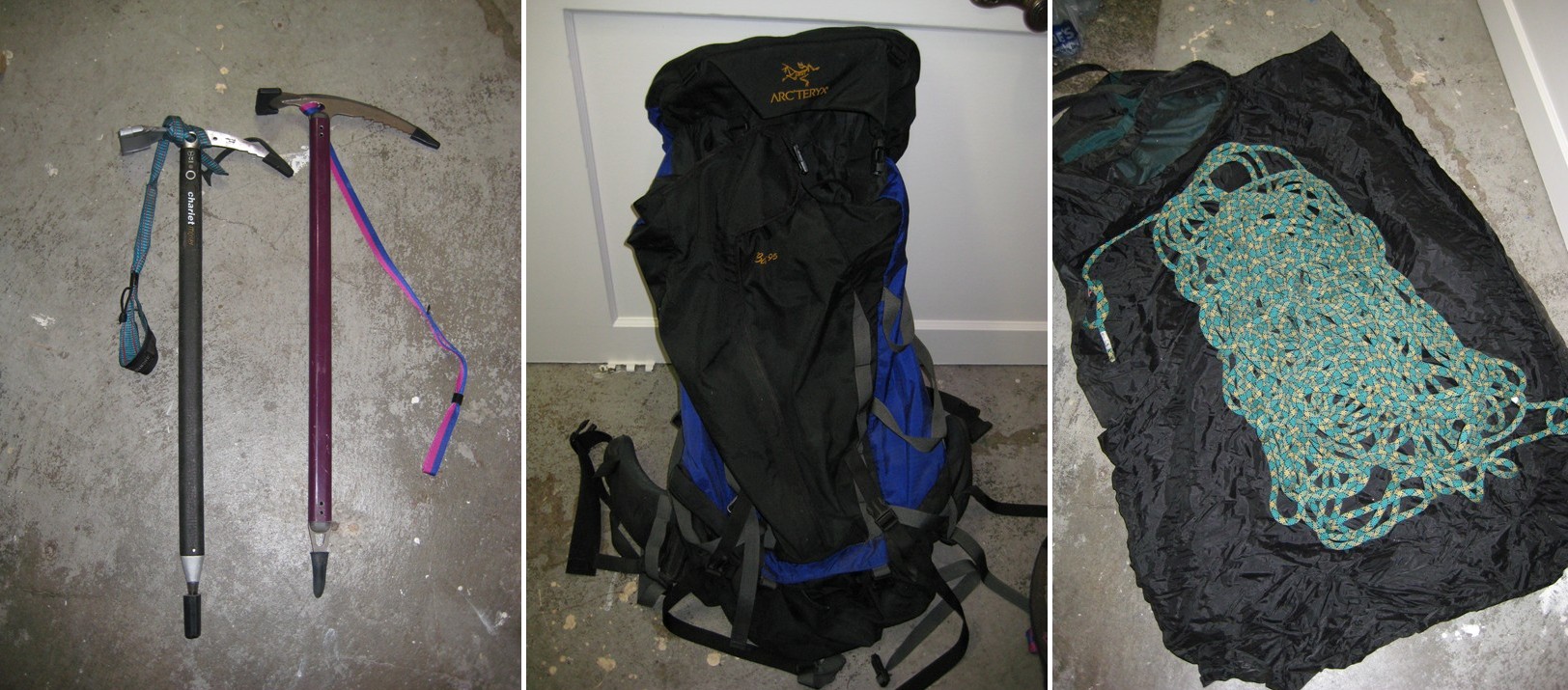
Fueled by this bit of destructive dementia, I pulled all my rock and alpine climbing equipment off my gear wall. Like used skis, there’s not a huge donation market for this type of gear, so I sorted it into “save”, “sell”, and “trash” piles. I put the few small items left in the “save” pile away (perhaps most metaphorically significant: my compass), and filled a can with the trash items (helmets, harnesses, slings, runners, rappel gloves, Texas Prusiks, hero loops and other climbing minutiae that is either specifically personal or difficult to assess damage/wear and remaining useful life). I splayed the “sell” stuff out on the floor, took pictures of it, and posted it for sale to the climbing network at my employer. Even at 9:30 PM on a Sunday night, it took all of five minutes for the lot of it to be spoken for. All my rock gear, ice axes, ropes, my big overnight pack – all of it gone in minutes for pennies on the dollar.
The watershed event that set this abrupt, ostensibly anti-sporting goods episode in motion actually happened more than a year ago. My favorite mountaineering jacket (a North Face Mountain Light, in loud, obnoxious yellow) had given up the ghost after more than a decade of thrashing about in the Northwest outdoors. No amount of washing or treating could restore the waterproofing. It was dead. I went to the local North Face store intent on replacing it, but found that it was no longer available in yellow. As I really wanted yellow (forget “blending in” or “visual noise” – brother, if I’m in trouble in the wilderness I want to be SEEN), I started looking at the next model up. I was having trouble deciding, then the salesperson dropped the bombshell question: What type of activities would I be doing?
Shit. Don’t ask me that. At one time, I would have had a multitude of answers: I mountain bike, I ski, I hike, I climb, and I teach mountaineering first aid. I wear this level of gear for go, not for show. I’m part of that “authentic” climber clique that makes fun of people who buy technical climbing jackets to stay dry in the rain between the Range Rover and the preschool. I’m hardcore, bitches. That’s what I wanted to say. But in truth, I was someone who used to do all those things, but hadn’t been on a route, a trail, or even in the gym in nearly seven years. I was about to spend between three and five hundred dollars on essentially a rain shell that I would use to stay dry between my house, my car, and my place of employment. I had become the type of person I used to smugly ridicule, and I left the store without buying anything.
A little over ten years ago, near the peak of my outdoor activity level, I damaged my back while working on a home remodel project. Backs and knees are slow to recover from injury, but after a long process of physical therapy, steroid injections and rest, my back seemed strong enough to return to my favorite wilderness pursuits. I started Pilates, then road cycling, then hiking, and then moved back into alpine climbing. In the spring of 2004, I re-aggravated the injury during self-arrest practice on a climbing trip. For those not familiar, self-arrest is the process of using your body, an ice axe, and crampons to stop yourself from tumbling down a snow or ice-covered slope in the event you (or fellow climbers to whom you may be roped) fall. Because you can’t predict which way you will fall, you practice arresting from all configurations – face up, face down, head upslope, head downslope, alone, and in roped groups. The face up and head downslope position requires an aggressive pivot/flip maneuver to right yourself, and puts a lot of stress on the lower back. On about my third repetition in this position, I felt something tweak, and called it good for the day. I knew I had injured myself on this trip, but didn’t realize the extent. Long story short, I had ruptured the disc between my L5 and S1 vertebrae. That was the effective end of my climbing career – actually pretty much the end of my physical recreation – but I held on to all my gear on the assumption that my back would come around again.
Fast-forward seven years to another remodeling project. Though additional injections, regular doses of anti-inflammatories and monthly visits to a manual physiotherapist have kept the chronic pain down to a dull roar, my back has never really recovered to the point where I could resume my former level or types of outdoor exercise. Remodeling has a way of bringing out discussions between my wife and I about change, and about how we use the things that occupy space in our home. Spring always makes me restless for the outdoors, and facing another season of watching my gear gather dust compounded the restlessness. I’m still not exactly sure what brought things to a head this past weekend, or what pushed me over the edge into action. Mostly it was just a small voice inside that said, “it’s time”.
I will miss my gear. It saw me safely up and down trails, crags and mountains all over the Northwest for many years. While part of me is happy that all this equipment is now in the hands of people who will use it rather than just let it hang on a wall, it’s incredibly sad to have to acknowledge that this chapter of my life appears to be over. Part of me feels angry and cheated. I did not willingly or consciously trade my stoppers, cams and snow anchors for a CPAP machine, diabetes medication and hearing aids. Part of me knows that rock climbing in particular is predominately a sport of the young, and that this day would have come anyway, though another part of me would have preferred to walk away on different terms.
So what is the lesson? There seem to be several: Your body is both strong and fragile in many ways, and it will let you know when it’s time to switch to other activities. Pay attention to what it’s saying. Don’t judge it too harshly if it can no longer do all the things you want it to do. Mourn the loss and move on. Maintain perspective. While this chronic pain is difficult, it’s nothing compared to what some other people battle every day. Try to focus on and be grateful for what you can do, as opposed to what you can’t. At some point, it also seems wiser and healthier to live your life as it is, not necessarily the way it used to be or in unrequited longing for it to be different. To quote the sagacious Wayne Campbell: “Live in the now!” I freely admit that I fail regularly at all of these. Acceptance, as I’m learning, is apparently a full-time gig.
For the first three-quarters of my life I was an athlete. Now I am trying to adjust to being something else, and having it not feel like something less, and this gear purge seems like a necessary step. In the interim, I did buy a new Mountain Light jacket. In all black. Denial? Grief? Sure – all the above. So when you see someone wearing North Face gear who may not look like your idea of a dedicated outdoor enthusiast, don’t sweat it. They may be a broken, middle-aged former climber, or they may just like the brand or the look. Worry about your choices, not theirs. Save your energy for something different – put it into working on that smooth carve turn, or sticking that dyno, or enjoying the luxurious vitality that comes from simply being outside.
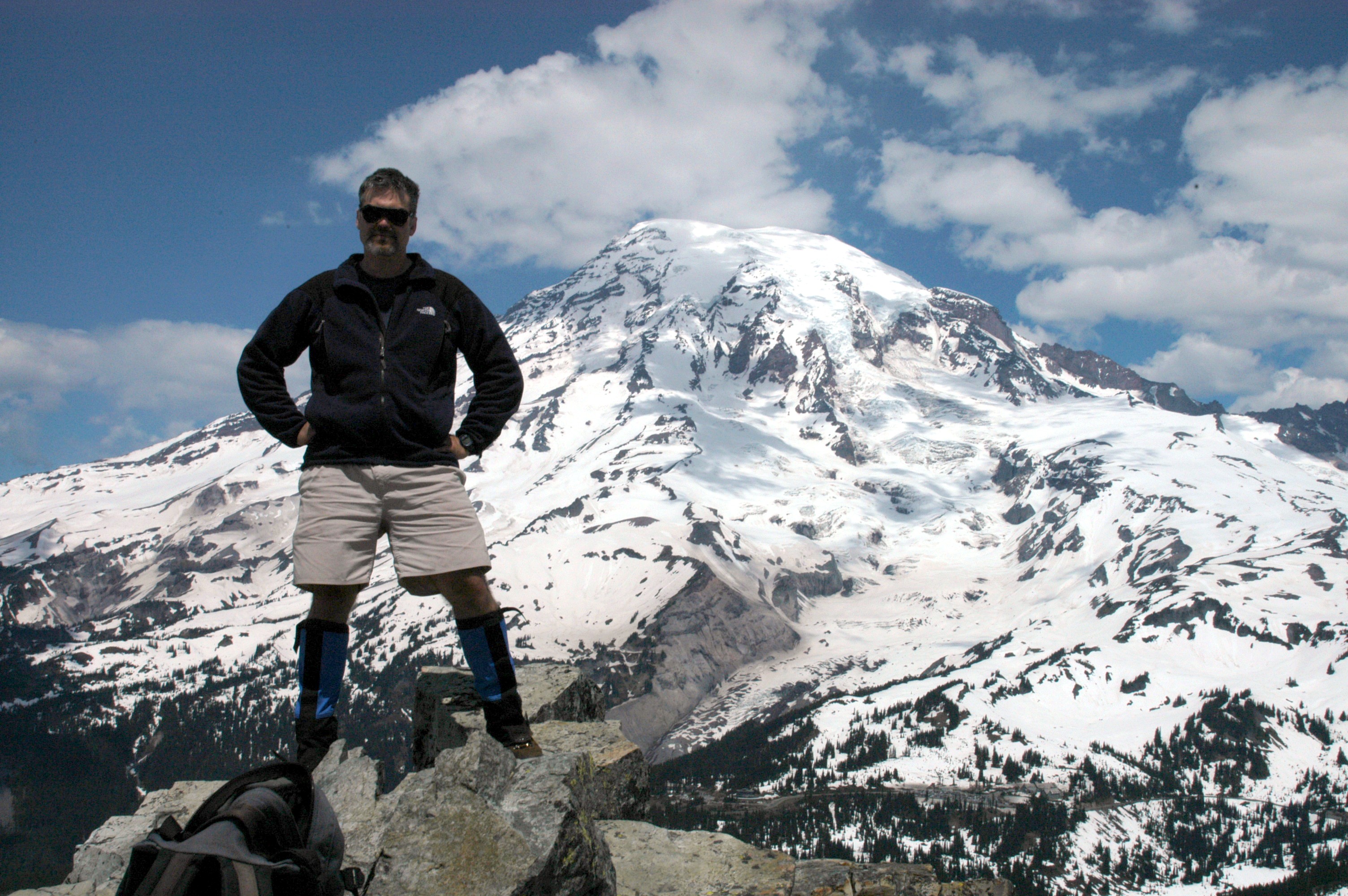

 Somewhere Near There